What counts as an emergency roof repair?
Active water entry, a roof opening from wind or a limb, torn shingles before more weather, or ice-dam water reaching finished rooms can justify emergency triage.
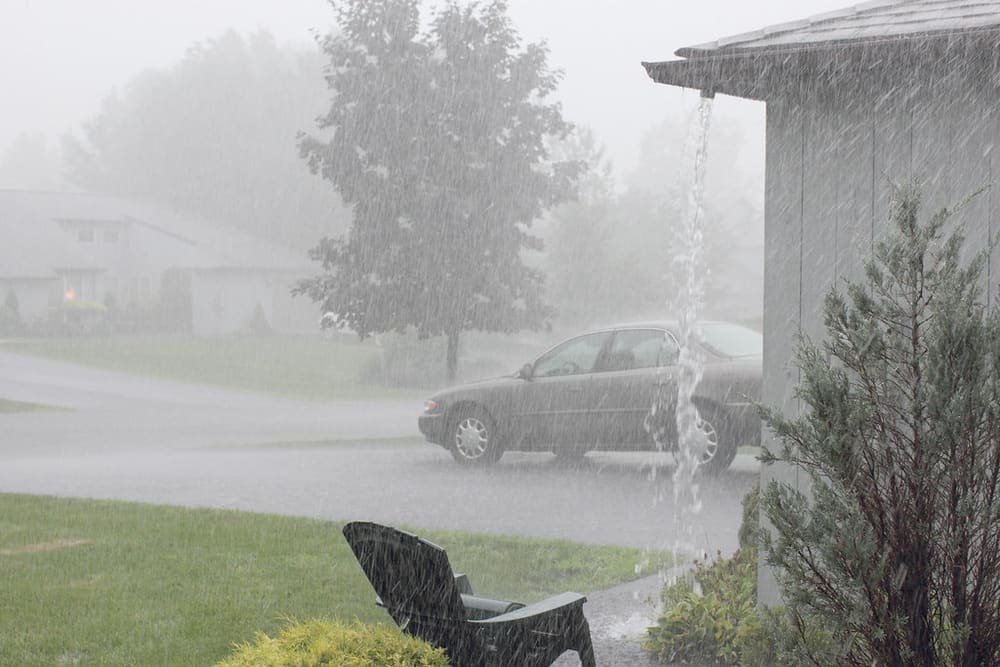
Emergency roof repair in Minneapolis is about limiting damage while the roof is unsafe, wet, icy, or actively leaking. Call (612) 482-8462 if water is entering, shingles are gone, a limb opened the roof, or an ice dam is pushing water into a wall or ceiling. Give the address, roof type, number of stories, and whether water is still moving.
Inside, move belongings out of the leak path and place a container under dripping water only if the area is stable. Keep people away from sagging drywall and wet light fixtures. Take photos from the floor, but do not pull ceiling material down or enter a wet attic. Those details help the scheduler distinguish an urgent dry-in from a leak that can wait for a standard roof inspection in safe conditions.
A temporary tarp, board-up, or seal can protect insulation, drywall, and electrical areas until conditions allow a proper repair. That is especially important after snow, freezing rain, or wind-driven hail when the roof surface is not safe to work on for long. The emergency visit should not hide the need for a later written scope.
The first visit should record the opening, the temporary material used, attachment points, and any area that could not be evaluated. Emergency tarp or dry-in work commonly falls in the $350-$900 planning range, with roof height, access, weather, and opening size changing the actual price. The contractor confirms the amount before work and explains whether removal of the temporary covering is included in the permanent repair.
An ice dam can make a roof leak look sudden even when the roof edge has been stressed for days. The first step is to protect the interior and stop the immediate water path where possible. Longer-term prevention may involve roof maintenance, gutter changes, attic air sealing, insulation, or ventilation improvements once the snow and ice conditions are manageable.
The Twin Cities receives roughly 45–52 inches of snow in an average year. On a 1910s or 1920s Minneapolis bungalow, warm air leaking around a half-story or knee wall can heat one part of the roof while the eave remains frozen. Meltwater then has nowhere to drain. The emergency response protects the room below; a later leak diagnosis determines whether shingles, flashing, roof-edge protection, gutters, or attic conditions need attention.
Wind can pull tabs loose, expose fasteners, or remove whole shingle fields. Hail can bruise a roof without creating an obvious hole, but broken ridge caps and damaged vents can let water in quickly. If weather caused the emergency, ask for photos before temporary protection covers the area so later storm documentation has a clear record.
A limb impact can break more than the visible hole. Nearby sheathing may split, framing may need evaluation, and gutters or siding below the strike can be bent. Temporary work is meant to control weather entry, not certify that the surrounding assembly is sound. Structural concerns and permanent material replacement belong in the follow-up scope, along with current Minneapolis or suburban permit handling when applicable.
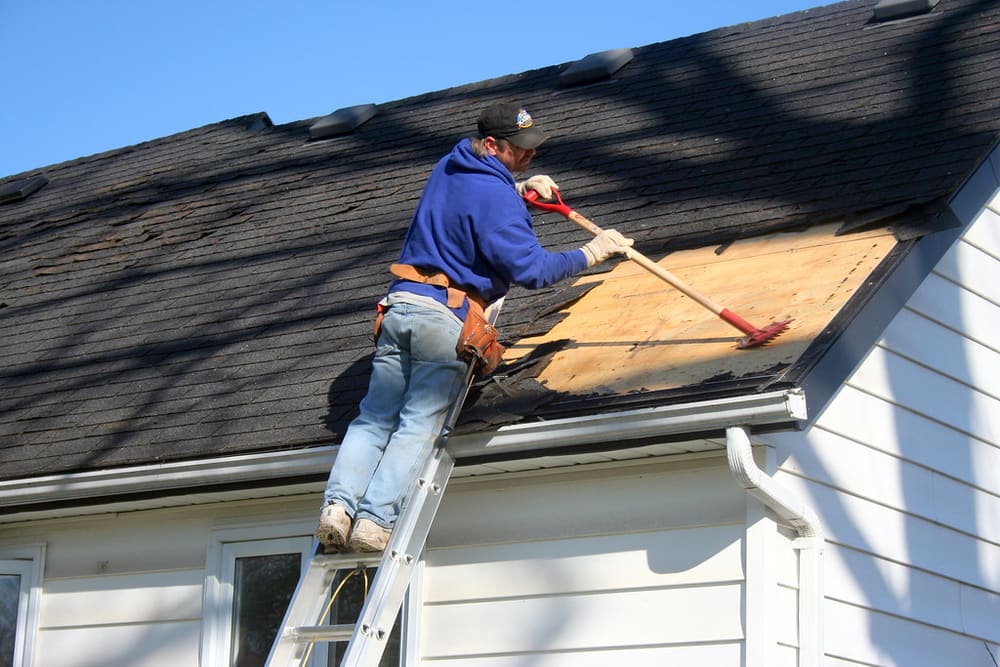
Minneapolis winter roofs can be slick even when the driveway looks dry. Stay inside, photograph visible stains or drips, and note when the leak began. If ceiling drywall is bulging, keep people away from that area and avoid puncturing anything unless a qualified professional tells you how to do it safely.
Permanent work begins with another look at the affected plane after weather and access improve. The quote should identify damaged shingles or membrane, flashing, sheathing, underlayment, ventilation details, and cleanup. If the opening exposed an aging roof with broader wear, ask for the repair and replacement choices separately. The Minneapolis cost guide shows planning tiers, but the inspection sets the firm price for the roof in front of the contractor.
Call (612) 482-8462 again if the temporary protection shifts, water returns, or a new ceiling area becomes wet. Do not adjust a tarp from a ladder. A second safe service visit is better than turning roof damage into a fall.
Active water entry, a roof opening from wind or a limb, torn shingles before more weather, or ice-dam water reaching finished rooms can justify emergency triage.
Move belongings, catch water where safe, take indoor photos, and keep people away from wet ceilings or electrical fixtures. Do not climb a wet, icy, or damaged roof.
Sometimes, but often the first visit is a temporary dry-in. Permanent shingles, flashing, decking, or replacement work follows after the roof can be inspected safely.
Many temporary dry-in or tarp calls fall around $350-$900, depending on roof height, weather, access, and the size of the opening.
MPLS Roof Pros
(612) 482-8462