What does roof replacement cost in Minneapolis?
Many asphalt architectural replacements on Minneapolis homes fall around $11,000-$26,000, with larger or steeper roofs, decking repairs, access issues, and ventilation work changing the final number.
Roof replacement in Minneapolis should be recommended only when the roof is past the point where repairs make financial or practical sense. Call (612) 482-8462 when you have repeated leaks, widespread granule loss, storm damage across several slopes, soft decking, or a roof old enough that one more patch will not change the larger problem.
The inspection should still identify the immediate failure. A homeowner comparing bids needs to know whether the recommendation comes from broad shingle wear, repeated water entry, storm damage, deteriorated sheathing, or several conditions together. If a focused leak repair could buy useful time, ask for that option and its limitations beside the replacement scope.
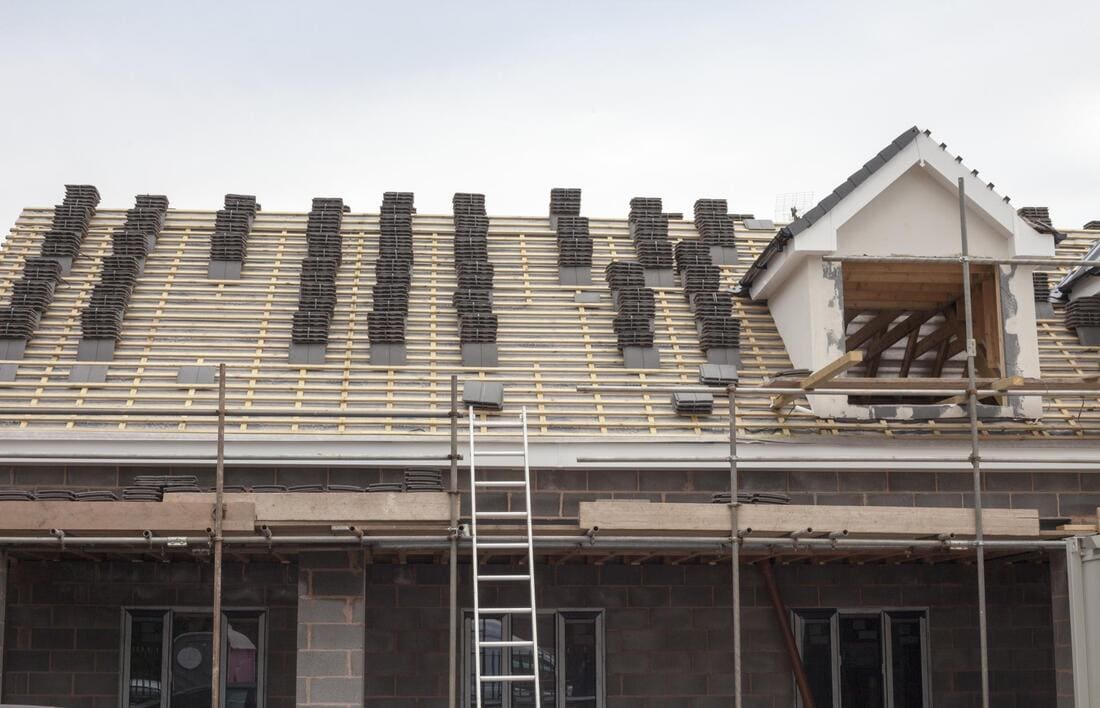
Bungalows, duplexes, stucco homes, and 1.5-story houses can have additions, dormers, short attic sections, and old roof tie-ins that deserve more planning than a simple shingle count. A replacement quote should address tear-off, decking, ice-and-water protection, flashing, ventilation, gutters, and cleanup. If there are multiple roof layers or hidden deck damage, those assumptions should be clear before signing.
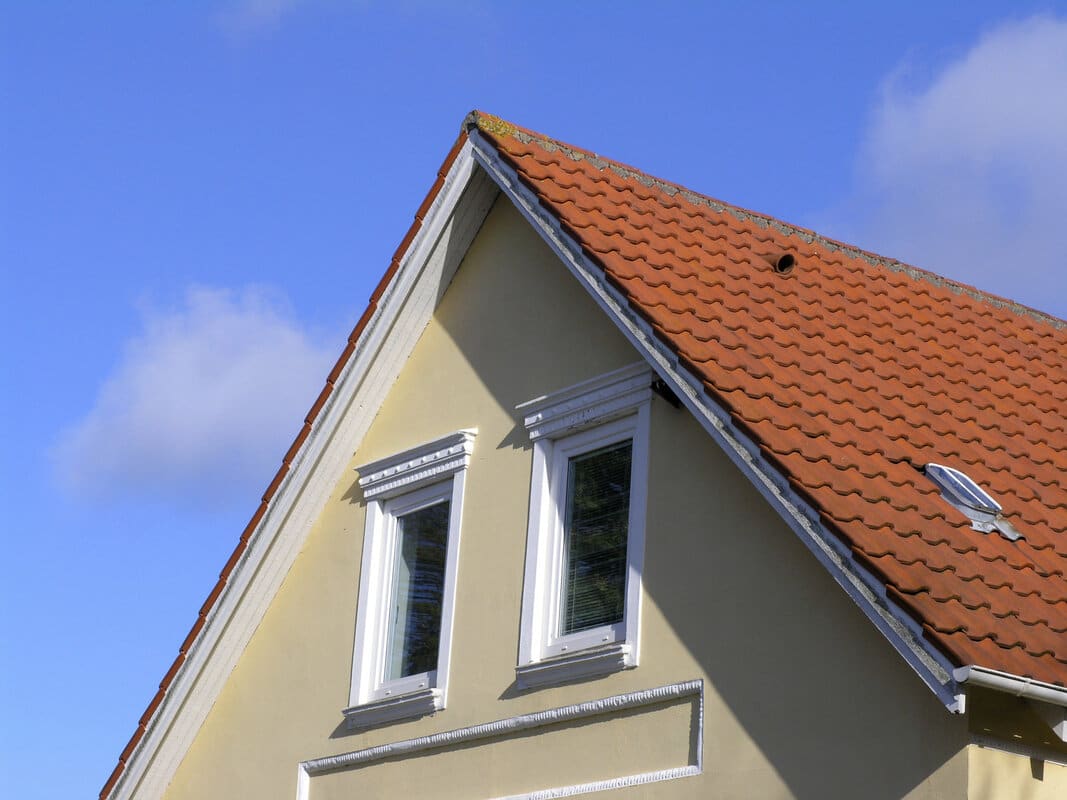
Many Minneapolis bungalows sit on framing from the 1910s and 1920s. Over the decades, chimneys may have been reflashed, porches enclosed, rear additions tied in, and old roof layers removed or covered. A careful quote measures those junctions instead of treating the house as one uninterrupted shingle rectangle. It should also explain how stucco, siding, gutters, and low-slope sections will be protected or integrated during the work.
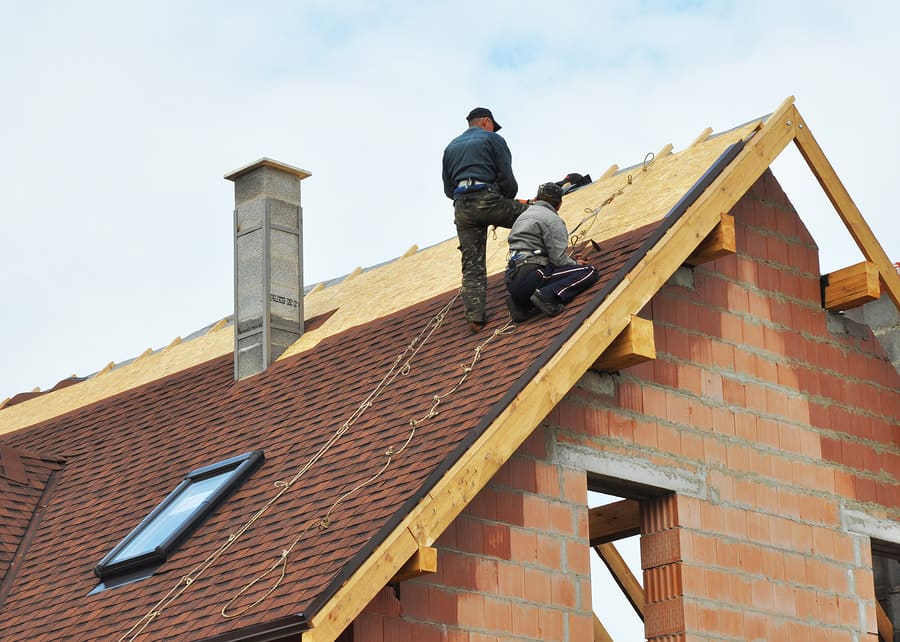
Look for tear-off and disposal, the proposed roofing material, underlayment, roof-edge protection, valley treatment, flashing, penetrations, ridge and intake ventilation, sheathing allowances, cleanup, and permit responsibility. If unknown deck conditions are priced by sheet or by another unit, that method should appear before work begins. The schedule should also make clear which steps depend on dry weather and material delivery.
Roof replacement is disruptive, so access details matter. Ask where materials will be staged, how landscaping and siding will be protected, where debris will go, and how loose fasteners will be collected. Product warranties and the independent contractor's workmanship terms are different promises; request both in writing and keep them with the final invoice and roof photos.
Replacing shingles without fixing heat loss or blocked airflow can leave the next roof fighting the same winter problem. The contractor should look for intake and exhaust ventilation, bath fan routing, attic bypasses, and roof-edge conditions that feed ice dams. Ventilation work is not always glamorous, but it is often the difference between a good-looking reroof and a roof that keeps leaking at the eaves.
Roughly 45–52 inches of annual Twin Cities snow can expose that mistake. Heat escaping through a half-story melts snow over the warm roof deck, while the overhang stays below freezing and builds an ice barrier. Replacement is the best time to make roof-edge and ventilation details visible, but air sealing and insulation may require separate building-envelope work. The contractor should define that boundary instead of implying shingles alone will stop every ice dam.
Hail and wind may lead to replacement when damage is widespread or the existing roof has little useful life left. The compliant path is documentation: photos, measurements, material notes, and an itemized scope. See the storm and hail page for the Minnesota deductible warning and insurance-documentation boundaries.
Minnesota hail should be treated as a recurring exposure, not a reason to assume every roof needs removal. The storm report should distinguish new impact marks from normal age, identify the affected planes, and leave policy interpretation to the insurer. Avoid any contractor offering to pay or offset a deductible or provide compensation tied to an inspection, claim, or referral.
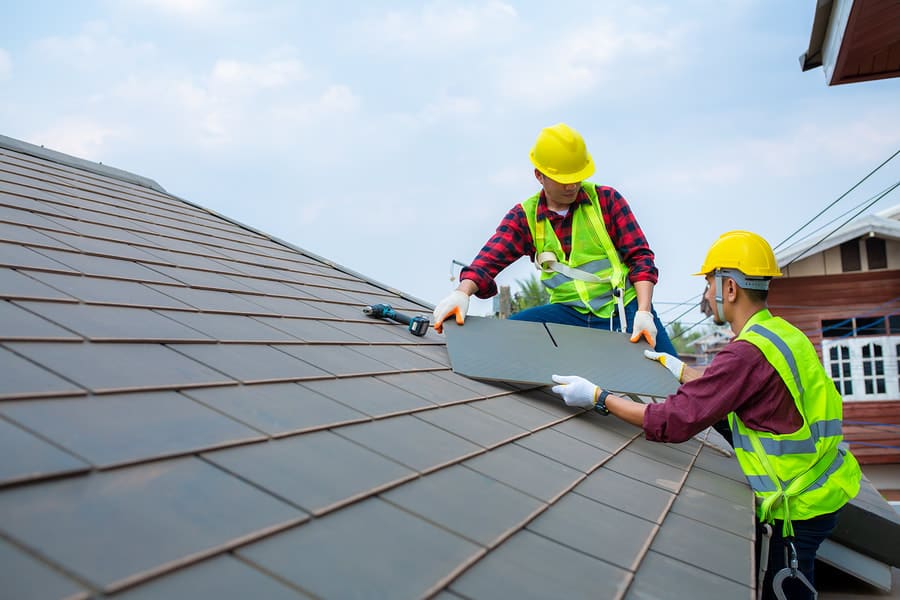
A replacement estimate should not erase a repair option when the roof still has life. If one valley, boot, or flashing detail is the only failure, the contractor should be able to explain the repair path. If replacement is the right call, the written quote should make the reason plain enough for you to compare bids without decoding sales language.
Many architectural asphalt replacement projects on Minneapolis homes fall within the $11,000-$26,000 planning range, often around $450-$750 per square installed. Size, pitch, height, access, decking, flashing, ventilation, and roof complexity move the firm number. Review the cost guide, then compare identical assumptions across bids. A lower total is not comparable if it omits deck allowances, permit handling, ventilation, or a complicated tie-in that another quote includes.
Many asphalt architectural replacements on Minneapolis homes fall around $11,000-$26,000, with larger or steeper roofs, decking repairs, access issues, and ventilation work changing the final number.
Replacement is more sensible when leaks recur in separate areas, shingles are brittle, decking is soft, ventilation has damaged the roof, or storm damage affects too much surface area.
Often yes. Knee walls, short attic runs, blocked soffits, and warm air leaks can all contribute to ice dams and premature shingle wear, so ventilation should be reviewed before reroofing.
The assigned Minnesota contractor verifies Minneapolis or nearby city permit requirements and should spell out permit handling in the written replacement scope.
MPLS Roof Pros
(612) 482-8462