Can siding damage be checked with roof damage?
Yes. Hail and wind often affect shingles, gutters, vents, siding, trim, and fascia in the same weather event.
Siding repair and installation in Minneapolis often belongs in the same conversation as roof and gutter damage. Hail can mark siding and soft metals, wind can pull panels loose, and water can enter at trim, dormers, or roof-to-wall transitions. Call (612) 482-8462 when exterior damage appears after a storm or when interior staining points toward a wall/roof connection.
Start by identifying when the symptom occurs. Water below a dormer during wind-driven rain may be crossing step flashing or trim. A cracked panel after hail may be a limited cladding repair with no interior leak. Peeling paint or soft fascia at an eave can point back to gutter overflow. The inspection should follow that connection before materials are ordered.
A useful storm scope checks shingles, ridge caps, vents, gutters, siding elevations, trim, and fascia together. Minneapolis hail can be directional, so one wall may show impact marks while another looks untouched. The written scope should explain what is roof work, what is siding work, and what belongs to gutters or trim.
Hail is a recurring Minnesota exposure, but impact evidence varies by material and wall direction. Vinyl may crack at a fastening or profile edge. Metal can dent. Trim and soft metals may carry clearer marks than a textured wall. Wide and close photographs should identify each elevation so age, installation movement, and fresh storm damage are not blended into one vague recommendation.
Stucco edges, dormers, porch additions, and older trim details can leak where siding and roofing meet. The repair may involve panels, flashing, sealant, fascia, or roof-edge work. A patch that ignores the water path can leave moisture behind cladding and make the next repair larger.
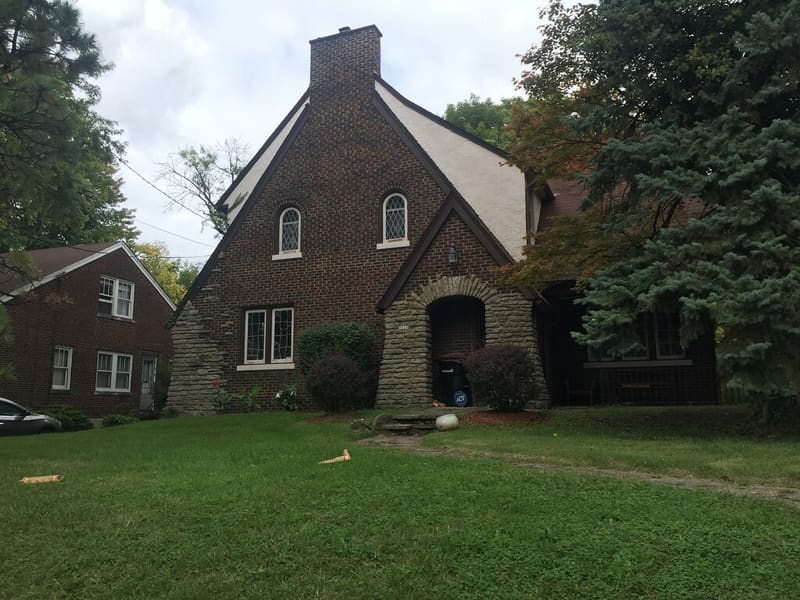
Minneapolis housing includes early-1900s and 1920s bungalows, duplexes, and stucco homes. Rooflines on those houses may have changed through additions and enclosed porches, leaving several generations of flashing and cladding at one wall. The contractor should state which layers must be opened, how the weather barrier and flashing will be restored, and what finish can reasonably be matched after the repair.
With roughly 45–52 inches of annual Twin Cities snow, ice and meltwater can stress the joint between roof, wall, fascia, and gutter. Staining on an exterior wall does not prove the siding itself failed. Pair the wall inspection with roof leak tracing and gutter diagnosis when the symptom sits below an eave, dormer, or low-slope tie-in.
Limited panel repair is often possible when material is available and the damage is isolated. Matching can be harder when profiles are discontinued or color has faded for years. If a larger elevation is needed, the contractor should explain why and separate the recommendation from any storm documentation.
Ask to see a proposed sample in ordinary daylight before a larger installation decision. Profile, exposure, texture, and years of color fade can make a technically compatible piece look different on the wall. A written quote should say whether matching is expected, approximate, or unlikely and whether trim or a full elevation is included to produce a deliberate stopping point.
Exterior work is cleaner when the order is planned. Roof repairs may need to happen before siding trim is closed up. Gutters may need to be removed and reset after fascia or siding work. The written quote should tell you what happens first, how cleanup is handled, and where one trade stops and another begins.
For insurance-funded work, construction documentation stays separate from policy advice. The contractor can photograph damage and prepare an itemized scope, while the insurer decides coverage. Minnesota law prohibits promises to pay or offset the homeowner's deductible and compensation tied to an inspection, claim, or referral. Use the physical findings, material availability, and water path to choose the repair.
Yes. Hail and wind often affect shingles, gutters, vents, siding, trim, and fascia in the same weather event.
Common issues include cracked vinyl panels, dented aluminum, loosened trim, damaged fascia, moisture behind cladding, and impact marks on exposed elevations.
Sometimes. The contractor should be honest about discontinued profiles, color fade, and whether a limited repair will blend acceptably.
Roof-to-wall transitions, step flashing, dormer sides, and chimney or stucco edges can involve both systems, especially where water stains appear inside.
MPLS Roof Pros
(612) 482-8462