What is included in a Minneapolis roof inspection?
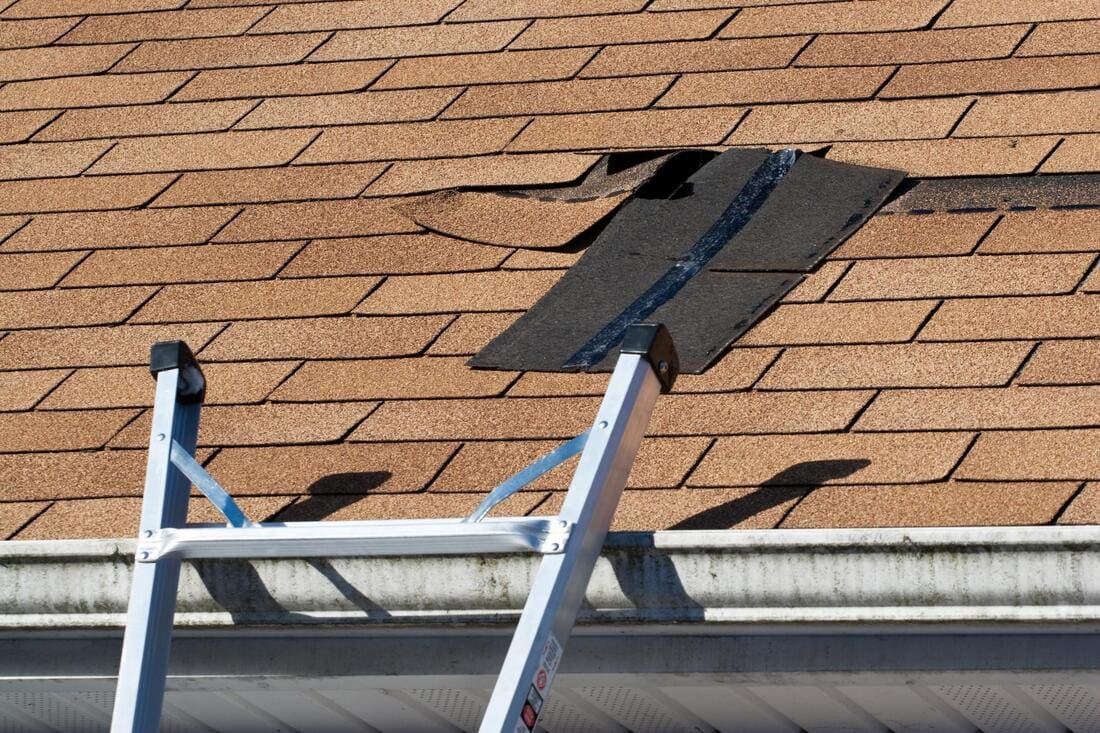
The inspection reviews shingles, flashings, penetrations, roof edges, vents, gutters, visible decking concerns, interior water clues, and attic ventilation when access is available.
A roof inspection in Minneapolis should give you a clear read on the roof in front of you: where it is sound, where it is vulnerable, and what should be repaired before the next storm or freeze. Call (612) 482-8462 after hail, before winter, before a sale, or when a stain appears and you need photos instead of guesses.
Start with the reason for the visit. An active ceiling stain calls for water-path tracing. A storm check looks for directional hail and wind evidence across roof and exterior surfaces. A prewinter check concentrates on roof edges, drainage, flashing, and attic conditions. Defining the question keeps the report useful and prevents unrelated wear from obscuring the decision you need to make.
The contractor reviews shingle condition, ridge caps, nail pops, pipe boots, vents, valleys, chimney and sidewall flashing, roof-to-wall transitions, gutters, fascia, and accessible attic clues. On older 1.5-story homes, ventilation and knee-wall areas matter because warm air movement can drive ice dams even when the shingles look acceptable.
Photos should carry enough context to be understood later: a wide view that identifies the slope, followed by a close view of the condition. Interior notes should connect a stain or wet insulation to the roof area above it without declaring a source that was not confirmed. If access, snow cover, or unsafe conditions limit the inspection, the report should say what remains unseen and whether a return visit is needed.
Many 1910s and 1920s Minneapolis bungalows use knee walls and short rafter spaces around a finished half-story. Blocked intake, weak exhaust, bath-fan discharge, and warm-air bypasses can create uneven roof temperatures. With roughly 45–52 inches of annual Twin Cities snow, that temperature difference can feed ice at cold eaves. An inspector can flag visible conditions, while specialized insulation or air-sealing work may require another trade.
A post-storm inspection documents bruised shingle areas, missing tabs, loosened ridge caps, dented vents, gutter marks, and related siding damage. If a carrier is involved, the contractor can prepare photos and an itemized scope and meet the adjuster on-site when requested. Inspection findings should stay separate from promises about coverage.
Read the storm and hail guide before signing insurance-funded exterior work. Minnesota law prohibits contractor promises to cover or offset the deductible and compensation offered to induce an inspection, claim, or referral. An itemized construction scope and labeled photos are useful; a claim outcome promise is not.
Fall is a practical time to check roof edges, gutters, flashing, and attic ventilation. Small openings can become expensive once snow sits on the roof and meltwater refreezes at the eaves. A pre-winter visit can also flag maintenance items that belong on the seasonal maintenance list instead of the repair list.
Spring inspection answers a different set of questions. Look for ridge-cap movement, damaged roof-edge material, loosened flashing, gutter displacement, and stains that developed during thaw periods. If water reached finished space, move from a condition check to the leak repair process so the source is traced before maintenance covers the evidence.
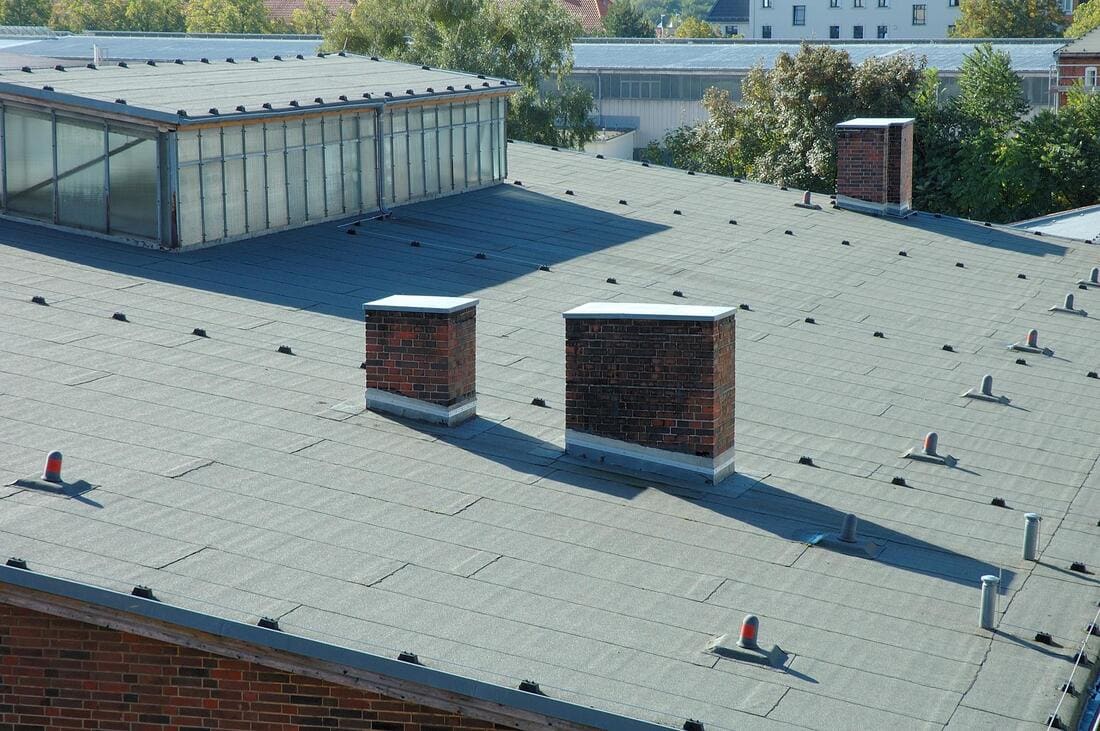
Buyers and sellers often need a plain answer: repair now, monitor, or budget for replacement. A good inspection avoids dramatic language and explains roof age, visible wear, flashing risk, ventilation concerns, and any active leak evidence in a way that can be compared with Minneapolis repair-cost ranges.
A free basic inspection with photos is commonly tied to a repair estimate. A detailed written report for a sale or documentation need often falls around $250-$450. Confirm the deliverable before scheduling: photographs, written observations, estimated remaining life, repair pricing, and certification are different products. The final document should match the purpose you described on the call.
The inspection reviews shingles, flashings, penetrations, roof edges, vents, gutters, visible decking concerns, interior water clues, and attic ventilation when access is available.
Basic inspection notes and photos are commonly included with repair estimates. Detailed written reports for real estate or documentation needs may carry a separate fee.
Yes, especially on older homes with prior ice dams, clogged gutters, shallow roof slopes, or rooms under knee walls. Fall issues are cheaper to address than February leaks.
An inspector can estimate condition from shingle wear, granule loss, repairs, ventilation, and decking signs, but exact age depends on records or prior invoices when available.
MPLS Roof Pros
(612) 482-8462