What does hail damage look like on Minneapolis roofs?
Hail may leave bruised asphalt mats, fresh granule loss, damaged ridge caps, dented vents, or matching marks on gutters and siding. It can be hard to confirm safely from the ground.
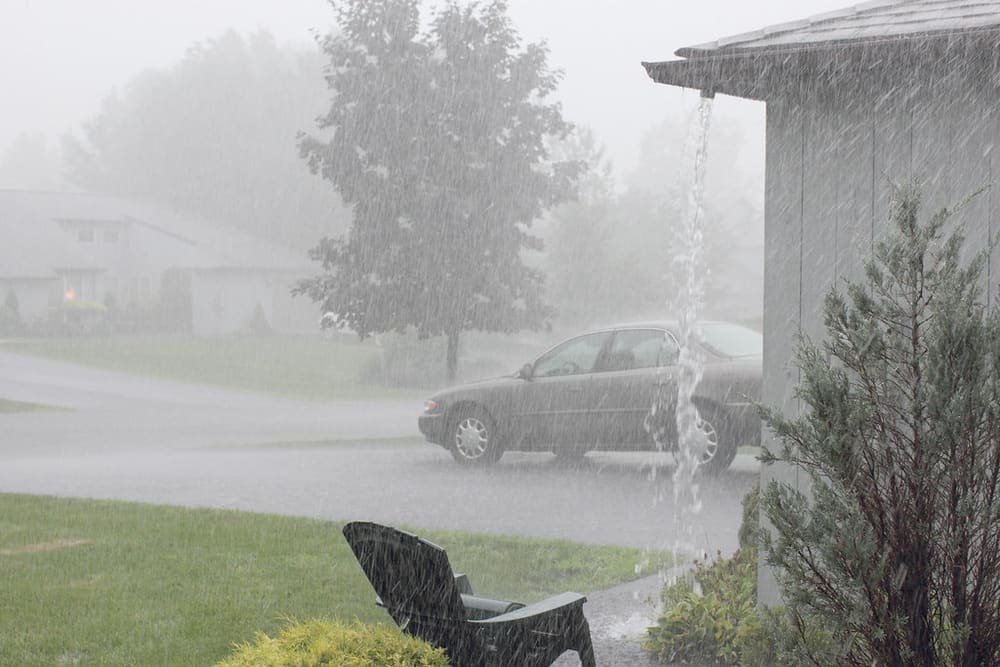
Storm and hail damage roof repair in Minneapolis, MN should begin with careful documentation. Hail is a recurring Minnesota hazard, and the useful question is what happened on your roof rather than when a storm crossed the wider metro. If you notice missing shingles, dented gutters, granules in downspouts, or new stains after a storm, call (612) 482-8462 for an inspection.
Stay on the ground and photograph what is safely visible. Shingles on the lawn, bent downspouts, siding fragments, and indoor water marks help establish condition without a dangerous climb. If decking is open or water is moving through a ceiling, say so during the call because temporary protection takes priority over a routine storm survey.
A storm inspection should look at roof slopes, ridge caps, vents, pipe boots, soft metals, gutters, siding edges, fascia, and interior water signs. Photos should be specific enough to show the condition rather than a pile of vague closeups. The written scope should also separate emergency protection, repair work, and any replacement recommendation.
Hail marks must be interpreted in context. Fresh impact bruising, displaced granules, and matching dents on exposed metals tell a different story from uniform age-related wear. Wind damage also has a pattern: broken seal strips, creased tabs, missing caps, or exposed fasteners along a vulnerable edge. The report should label locations and roof planes so another reader can understand the finding without guessing from an unlabeled closeup.
Older asphalt shingles can bruise, crack, or lose granules faster than newer systems. Wind may crease tabs, lift seal strips, or expose nail lines. Stucco transitions, dormers, and additions need attention because storm water can enter where roof and wall systems meet. When a roof already had brittle shingles or poor ventilation, storm damage may change a repair decision into a replacement conversation.
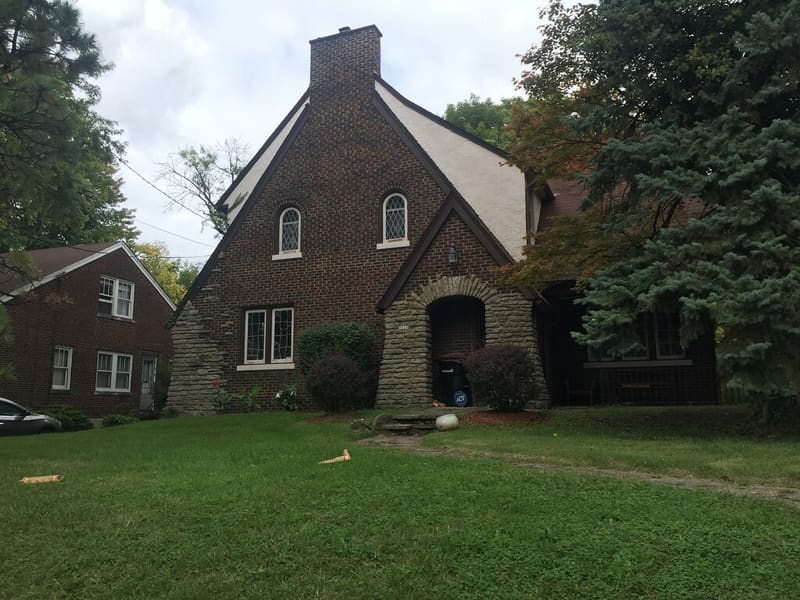
Many Minneapolis bungalows from the 1910s and 1920s also carry winter history into a summer storm inspection. Prior ice-dam staining, patched eaves, and ventilation trouble should be identified separately from new impact damage. That distinction keeps the repair scope accurate and helps the homeowner compare a focused leak repair with a broader replacement estimate when both paths deserve consideration.
Minn. Stat. § 325E.66 prohibits a residential contractor on insurance-funded work from promising to pay or offset a homeowner's deductible or offering compensation for an inspection, claim, or referral. The connected contractor can document visible damage, prepare an itemized scope, and meet an adjuster on-site when requested; coverage decisions belong to the insurer. The contractor can help by photographing visible damage, preparing an itemized scope, and meeting the adjuster on-site when requested. No coverage result is promised, the contractor does not adjust the claim for the homeowner, and contractor money is not a lawful substitute for the homeowner's deductible.
Be cautious if anyone offers cash, gift cards, inspection payments, referral compensation, or another credit tied to making a claim or signing storm work. Ask for the physical scope first: quantities, materials, repair areas, sheathing assumptions, ventilation items, cleanup, and permit responsibility. Read the contract separately from the insurer's estimate, and remember that the carrier decides what the policy covers.
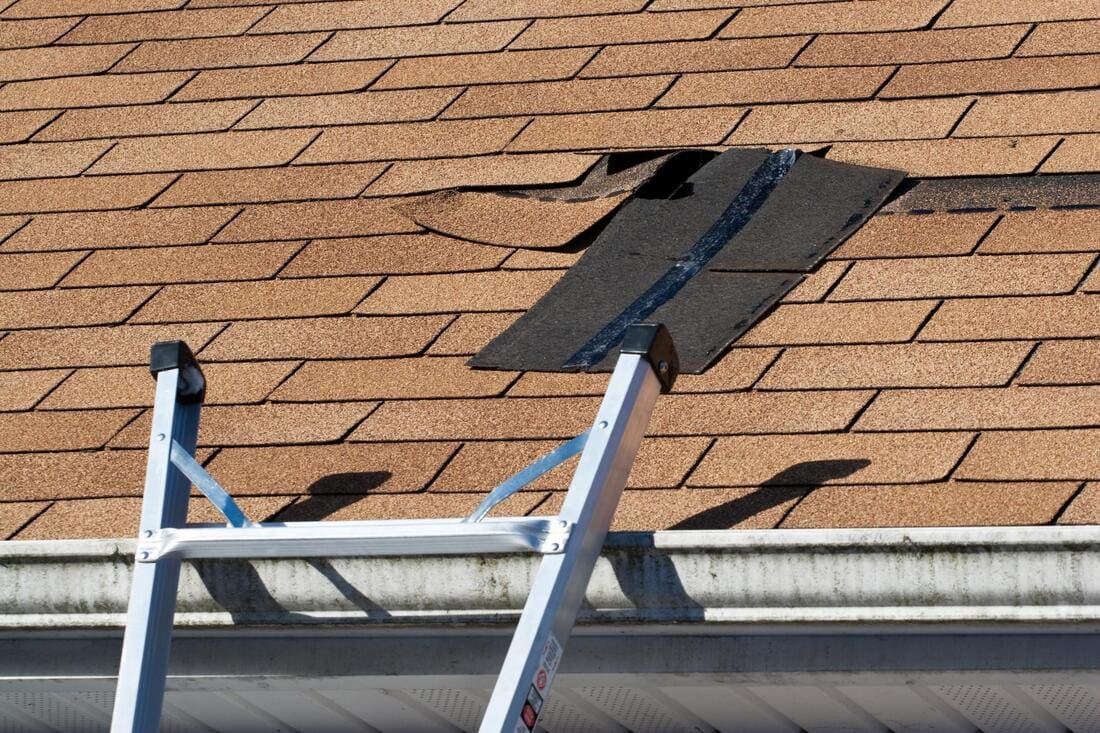
When a branch punctures decking or wind opens a shingle field, start with emergency roof repair. A tarp or temporary dry-in protects the home while permanent repair or replacement pricing is prepared. After large weather events, active water and unsafe openings are triaged first.
Temporary work should be photographed before and after installation, then followed by a permanent scope when the surface is safe to inspect. Use the roof inspection guide to see how non-emergency condition notes differ from storm damage findings. A clear record supports a sound construction decision even when no insurance claim is filed.
Hail may leave bruised asphalt mats, fresh granule loss, damaged ridge caps, dented vents, or matching marks on gutters and siding. It can be hard to confirm safely from the ground.
The connected contractor can provide photos, measurements, and an itemized scope, then meet an adjuster on-site when requested. The insurer still decides coverage under the policy.
Minn. Stat. § 325E.66 prohibits a residential contractor from promising to pay or offset a homeowner's deductible or offering compensation to induce an inspection, insurance claim, or referral.
Schedule once it is safe, especially if shingles are missing, water is inside, or neighbors have visible damage. Fresh photos are useful before weather and cleanup change the evidence.
MPLS Roof Pros
(612) 482-8462